
The Best Budget Cameras for Travel: Great Shots Without Draining Your Wallet
The best budget cameras for travel are compact, affordable options that deliver noticeably better photos than your smartphone — without weighing down your bag or your bank account. Here are the top picks:
| Camera | Type | Approx. Used Price | Best For |
|---|---|---|---|
| Fujifilm XF10 | Compact (APS-C) | $250-$350 | Image quality + portability |
| Sony RX100 (I-III) | Compact (1-inch) | $150-$300 | Versatility + autofocus |
| Canon PowerShot G9X | Compact (1-inch) | $100-$200 | Simplicity + pocketability |
| Panasonic Lumix LX10 | Compact (1-inch) | $150-$250 | Low light + manual controls |
| Canon Rebel T3i + kit lens | DSLR (APS-C) | Under $200 | Image depth + lens flexibility |
| Canon 6D | Full-frame DSLR | $200-$300 | Pro image quality on a budget |
| Kodak PIXPRO FZ55 | Point-and-shoot | Under $100 | Beginners + ultra-tight budgets |
| Canon S90 / Panasonic LX5 | Vintage digicam | ~$100 | Low-stress travel + retro look |
| DJI Osmo Action 5 Pro | Action camera | ~$200 | Adventure + video |
| GoPro HERO | Action camera | ~$150 | Waterproof + durability |
Picture this: you’re standing at the edge of a stunning temple complex at golden hour. You raise your phone camera — and the photo comes out flat, grainy, and nothing like what your eyes are seeing. That is the moment most travelers realize their phone isn’t enough.
A dedicated camera changes everything. Even a cheap, used one.
The good news? You don’t need to spend $1,000+ to get genuinely great travel photos. The used camera market is packed with powerful options under $300 — some under $100 — that will outperform your smartphone in low light, dynamic range, and detail.
This guide cuts through the noise so you can find the right camera for your travel style and budget.
Key Criteria for the Best Budget Cameras for Travel
When we talk about the best budget cameras for travel, we aren’t just looking at the price tag. A camera needs to earn its spot in your luggage. If it’s too heavy, you’ll leave it in the hotel. If the image quality isn’t better than your iPhone, there’s no point in carrying it.
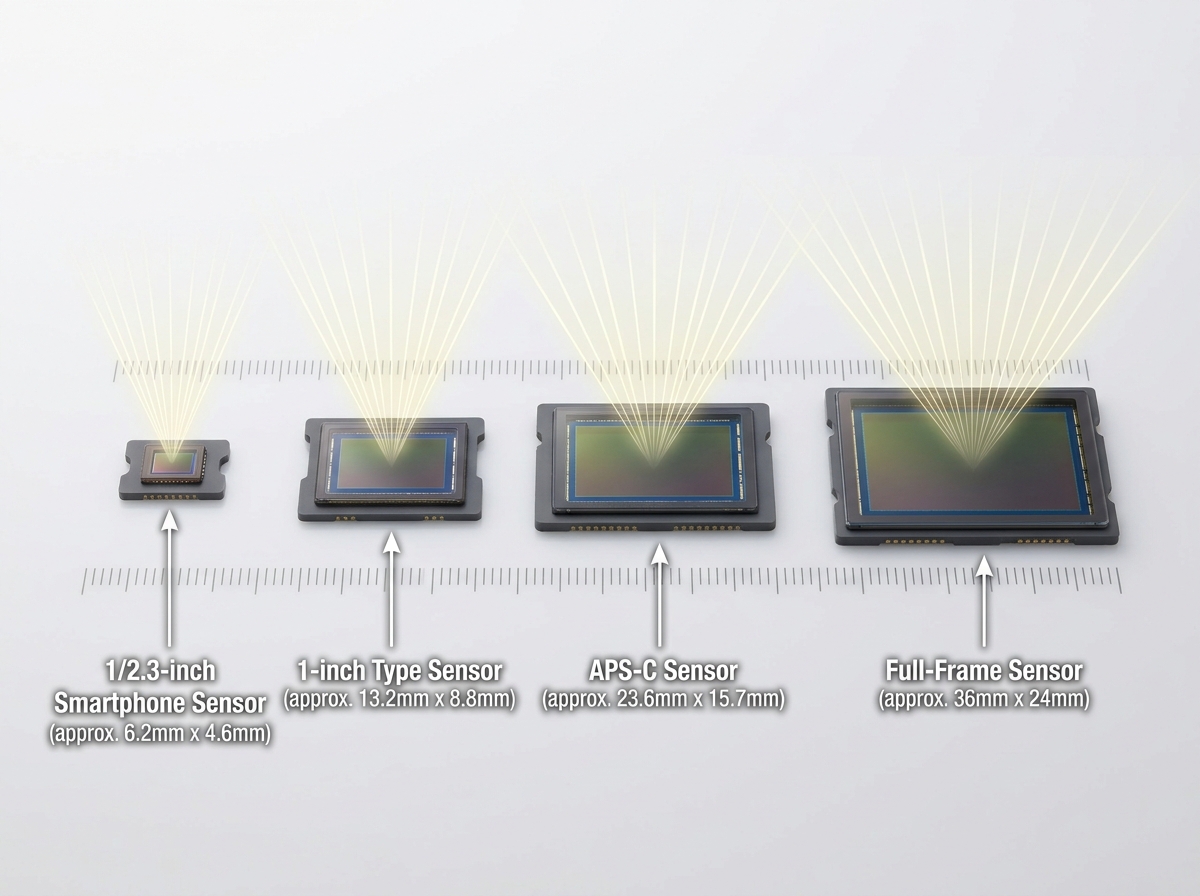
The secret sauce is the sensor size. Most modern smartphones use tiny sensors that struggle as soon as the sun goes down. A dedicated travel camera usually features a 1-inch, APS-C, or even a Full-Frame sensor. To put that in perspective, an APS-C sensor (found in cameras like the Fujifilm XF10) is roughly 10 to 15 times larger than a standard smartphone sensor. This allows the camera to soak up more light, providing better dynamic range and that beautiful, natural background blur (bokeh) that digital portrait modes try—and often fail—to mimic.
For travel, we prioritize:
- Portability: It should fit in a jacket pocket or a small sling bag.
- Weight: Ideally under 500g so it doesn’t cause neck strain.
- Price: We focus on the $100–$400 range, primarily in the used market where the real value lives.
- Ease of Use: You want to capture the moment, not spend twenty minutes menu-diving.
If you are just starting out, checking out budget-friendly-cameras-for-travel-photography-beginners can help you understand the landscape of entry-level gear.
Top Recommended Compact and Point-and-Shoot Models
For many of us, the “holy grail” of travel photography is a camera that fits in a pocket but shoots like a pro. These compact cameras are designed for travelers who want to stay discreet while exploring busy markets or narrow European alleys.
Best Budget Cameras for Travel: The Used Market Gems
If you can find one, the Fujifilm XF10 is a legendary “hidden gem.” It is widely considered the smallest camera ever made that houses a massive APS-C sensor. While its autofocus can be a bit leisurely compared to modern mirrorless systems, the image quality is breathtaking. Plus, it includes Fujifilm’s famous “Film Simulations,” which let you apply professional color grades like Classic Chrome directly to your JPEGs. You can often find these used for $250–$350.
The Sony RX100 series (specifically Marks I through III) is another heavy hitter. These use a 1-inch sensor and feature incredibly fast autofocus. The Mark III is particularly beloved because it introduced a pop-up electronic viewfinder, which is a lifesaver when you’re trying to compose shots in the bright midday sun of a Greek island or a Moroccan desert.
Other fantastic used options include:
- Canon PowerShot G9X: Ultra-slim, stylish, and very beginner-friendly.
- Panasonic Lumix LX10/LX100: Known for great low-light performance thanks to fast lenses (f/1.4–f/1.7).
Ultra-Cheap Options for Beginners
On an ultra-tight budget? You don’t have to go without. The Kodak PIXPRO FZ55 has gained a cult following recently. For under $100, it’s a pocket-sized companion that produces clear, honest photos that feel more “real” than heavily processed phone shots. It even uses a rechargeable lithium-ion battery, making it very portable.
If you’re looking for something brand new with the latest tech but still want to keep things relatively compact, the X-M5 | Cameras | FUJIFILM X Series & GFX – USA is a modern entry point into the Fujifilm ecosystem, weighing only 355g.
Action Cameras vs. Vintage Digicams for Adventure
Sometimes, your travel involves more than just walking tours. If you’re hiking, snorkeling, or riding a scooter through Southeast Asia, a traditional glass-lens camera might be too fragile.
Action Cameras like the DJI Osmo Action 5 Pro or the GoPro HERO are built for the “oops” moments. They are waterproof, dustproof, and feature incredible electronic stabilization that makes a bumpy tuk-tuk ride look like a cinematic tracking shot. The DJI Osmo Action 5 Pro, in particular, is highly rated for its 4-hour battery life and excellent 4K video quality, making it a top choice for vloggers.
Why Vintage Digicams are the Best Budget Cameras for Travel
On the flip side, there is a growing trend of traveling with “vintage” digicams from the late 2000s, like the Canon S90/S95 or the Panasonic LX5. Why would we want a 15-year-old camera?
- The Aesthetic: These cameras often use CCD sensors, which many photographers believe produce colors that look more like film than modern CMOS sensors.
- Low Stress: If you lose a $100 Canon S90 or it gets a bit of sand on it, it’s not a trip-ruining disaster.
- Safety: They don’t look expensive, making you less of a target for theft in crowded tourist areas.
- Airport Security: Unlike film cameras, which can be damaged by new high-radiation CT scanners at airports, these digital oldies sail through security without a worry.
Maximizing Value with Used DSLRs and Mirrorless Systems
If you don’t mind carrying a small dedicated bag, used DSLRs offer the absolute best “bang for your buck” in terms of image quality.
A Canon Rebel T3i (600D) or a Nikon D3400 can be picked up with a kit lens for under $200. These cameras have sensors that are still competitive today for landscape and portrait photography. Because the world has shifted toward mirrorless cameras, these older DSLRs are being sold for pennies on the dollar.
For those who want professional-grade results, the Canon 6D is a full-frame legend available for around $200–$300 used. A full-frame sensor provides incredible depth of field and low-light performance that no smartphone—and few compact cameras—can touch. It’s a bit bulkier, but for capturing the Milky Way over a campsite or detailed carvings in a dark temple, it is unbeatable.
Essential Tips for Buying and Using Budget Travel Gear
Buying used gear requires a bit of savvy. We recommend sticking to reputable resellers like MPB, KEH, or Adorama. These sites inspect the gear and often provide a 6-month warranty, which is much safer than a random meeting from Facebook Marketplace.
When buying, always check:
- Shutter Count: Think of this like mileage on a car. For entry-level DSLRs, anything under 20,000 is great.
- Sensor Condition: Look for “fungus” or “scratches” in the description.
- Battery Life: Older cameras often need fresh batteries. We suggest buying two spares—third-party brands like Wasabi or BM Premium are usually very affordable.
To get your photos onto your phone for sharing, you don’t need a computer. A simple SD card-to-phone adapter (Lightning or USB-C) costs about $15 and lets you transfer high-res files in seconds.
Frequently Asked Questions about Travel Photography
Is a budget camera really better than my smartphone?
Yes, primarily because of the optics. A dedicated camera has a real glass lens that can zoom optically without losing detail. Furthermore, the larger sensor handles high-contrast scenes (like a sunset) much better, preventing the “blown-out” white skies common in phone photos.
Where is the safest place to buy used cameras?
As mentioned, MPB and KEH are the gold standard for used gear. If you use eBay, only buy from sellers with a 99%+ rating and check that they have uploaded actual photos of the specific camera, not just stock images.
Do I need to learn manual mode for travel photos?
Not at all! Most of the best budget cameras for travel have excellent “Program” or “Auto” modes. If you use a Fujifilm, you can simply set it to “Auto” and choose a Film Simulation. The camera does the heavy lifting, and you get the credit for the beautiful shot.
Conclusion
At FinanceZora, we believe that smart spending shouldn’t mean sacrificing the quality of your memories. By opting for a used or budget-friendly dedicated camera, you’re not just getting better photos—you’re freeing up your phone for navigation, staying safer by using less conspicuous gear, and engaging more deeply with your surroundings through the lens.
Investing in a dedicated compact camera transforms your travel photography from simple snapshots into art. Whether you choose a rugged action cam for the waves or a vintage digicam for the vibes, the right tool is the one that makes you want to get out and explore.
