
Why Finding the Best Rain Jacket for Summer Is Harder Than It Looks
The best rain jacket for summer needs to do something tricky: keep rain out and let heat escape at the same time. That’s a tough balance, and most jackets only do one job well.
Here are the top picks to know right now:
| Jacket | Weight | Best For |
|---|---|---|
| Montane Featherlite Nano | 1.8 oz | Ultralight emergency layer |
| Patagonia Storm Racer | 7.2 oz | Trail running |
| Black Diamond Fineline Stretch Shell | 8.6–9.4 oz | High-output hiking |
| Patagonia Torrentshell 3L | 14.1 oz | All-day backpacking |
| REI Co-op Rainier | 11.3 oz | Budget-friendly casual use |
Summer rain is different from winter rain. You’re already hot and sweaty before the clouds even open up. A jacket that traps heat can actually be more miserable than just getting wet.
The good news? Lightweight, breathable shells have gotten remarkably good. Options now exist that weigh less than a protein bar, pack into their own pocket, and still keep you dry through a real downpour.
Whether you’re a budget traveler packing light or a trail runner dodging afternoon thunderstorms, the right summer rain jacket makes a huge difference in comfort and safety.
Key Features of the Best Rain Jacket for Summer
When we look for the best rain jacket for summer, we aren’t just looking for “waterproof.” In 90-degree humidity, a rubber slicker will keep the rain off, but you’ll be soaked in your own sweat within minutes. At FinanceZora, we prioritize gear that offers the best value for your safety and comfort, especially when traveling.
Weight and Packability
In the summer, the sun is out more often than the rain. This means your jacket will likely spend 90% of its time in your backpack. We look for jackets that are “ultralight”—ideally under 12 ounces. Some of the most impressive models, like the Montane Featherlite Nano, weigh a staggering 1.8 oz. If you are a frequent flyer or a thru-hiker, check out our guide on lightweight waterproof jackets for every traveler to see how weight impacts your packing strategy.
Pit Zips and Mechanical Venting
No matter how “breathable” a fabric claims to be, physics has its limits. When the humidity hits 90%, moisture transport through a solid membrane slows down. This is where mechanical venting comes in. Pit zips (zippers under the armpits) allow for immediate airflow.
For high-output activities, pit zips are non-negotiable. Some jackets, like the Outdoor Research Foray, even feature zippers that extend from the hem to the bicep, essentially turning the jacket into a poncho for maximum breeze.
Breathability vs. Waterproofing
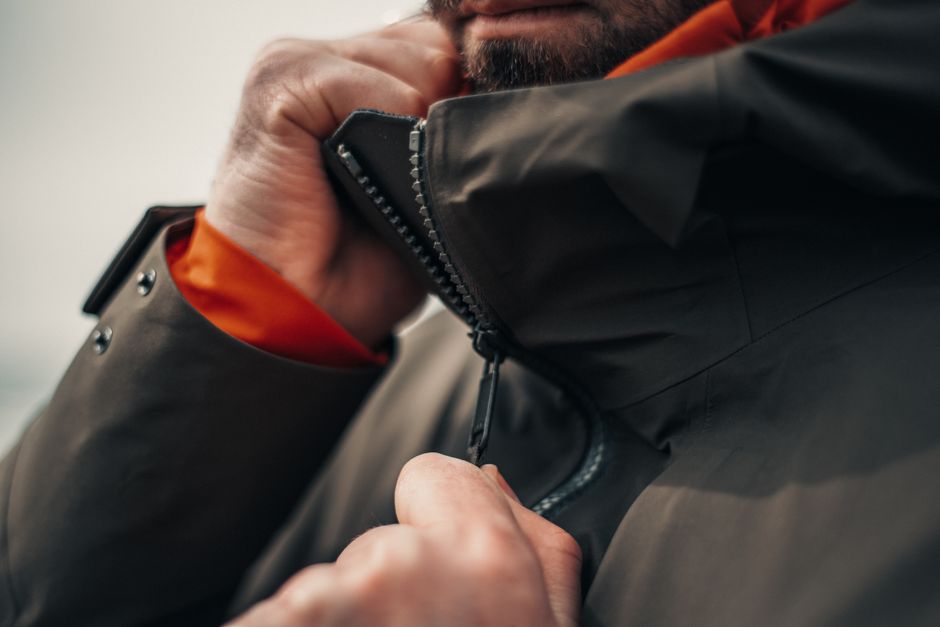
We measure waterproofing with a “hydrostatic head” (HH) rating (e.g., 10,000mm) and breathability with an MVTR rating (e.g., 10,000g). For summer, we want a high MVTR. Interestingly, lab testing shows that some ultralight fabrics are so thin they might burst under high-pressure water tests before the water actually leaks through, which is why real-world field testing is so vital.
Sustainability: PFAS-Free and Recycled Materials
The industry is moving away from “forever chemicals” (PFAS/PFCs). Many of our top picks now use plant-based repellents or PFC-free DWR (Durable Water Repellent) coatings. While these are better for the environment, they require a bit more maintenance (regular washing) to keep performing.
Top-Rated Lightweight Shells for High-Output Activities
If you’re trail running, mountain biking, or fast-packing, your body generates an immense amount of heat. You need a shell that moves with you and won’t make you feel like you’re wearing a plastic bag.
The Trail Runner’s Choice
The Patagonia Storm Racer is a standout here. Weighing just 7.2 oz, it uses a three-layer construction. Why does that matter? In a 3-layer (3L) jacket, a thin internal mesh protects the waterproof membrane from your skin oils and sweat. This prevents that “clammy” feeling common in cheaper 2-layer jackets.
For those heading into the backcountry, the Vapor Stormlight Ultralight Rain Jacket is another top-tier contender. It weighs 12 oz and features 37.5 Active Particle Technology, which helps manage moisture and trap odors—a godsend if you’re active for several days without a shower.
Mobility and Stretch
The Black Diamond Fineline Stretch Shell (9.4 oz) is a favorite for climbers and hikers because the fabric actually stretches. This mobility is crucial when you’re scrambling over rocks or reaching for trekking poles. It offers a 10k/10k rating, which is a solid middle ground for summer storms.
Summer Performance Comparison Table
| Model | Weight | Material | Key Feature |
|---|---|---|---|
| Patagonia Storm Racer | 7.2 oz | 3-Layer Hardshell | Best for running |
| BD Fineline Stretch | 9.4 oz | 2.5-Layer Stretch | Best for mobility |
| First Lite Vapor | 12.0 oz | 2.5-Layer | Best for backcountry |
| Montane Featherlite | 1.8 oz | Ultralight Nylon | Emergency use only |
Best Rain Jacket for Summer Hiking and Backpacking
For most of us, the best rain jacket for summer is one that balances durability with breathability. The Cotopaxi rain jacket Cielo Rain is a fantastic example of a modern, eco-conscious shell.
It features a 10k/10k membrane and is made from 100% recycled polyester. What makes it great for summer is the back vent, which allows heat to escape even when the front is zipped up tight against the wind. It’s fully seam-sealed, meaning water won’t creep in through the stitching during a heavy downpour.
Ultralight Emergency Layers for Hot Weather
Sometimes, the forecast says 5% chance of rain, but you know better. For those “just in case” moments, you want a minimalist design. The Cielo Rain Jacket – Womens offers a 2.5-layer construction that is incredibly space-saving.
A 2.5-layer jacket typically has a printed “half-layer” on the inside instead of a full fabric liner. This makes the jacket lighter and more packable, though slightly less durable over many years than a 3-layer shell. It’s the perfect “peace of mind” layer to clip to your harness or toss in a daypack.
Performance and Breathability in Humid Conditions
Humidity is the ultimate test for any rain gear. In places like Florida or Southeast Asia, the air is already saturated. This is where “quiet” fabrics and soft backers make a difference.
The Women’s Cloudshield Rain Jacket – Light Sangria is a game-changer for those who hate the “crinkly” sound of traditional raincoats. It uses a whisper-quiet matte face fabric and a soft tricot backer. With a 16,000mm waterproof rating, it’s significantly more protective than many “lightweight” fashion jackets, yet it feels soft against the skin—a major plus when you’re wearing short sleeves underneath.
Choosing the Best Rain Jacket for Summer Commuting
Not every rainy day happens on a mountain peak. For urban commuting, we look for “slick street style” combined with technical performance.
The Mary Rain Jacket – Halfdays is a brilliant hybrid. It features a 10k/10k hydrophilic membrane but includes a removable hood, allowing it to transition from a technical storm shell to a stylish trench coat.
Similarly, the Cielo Rain Jacket – Men’s – Cotopaxi Canada offers a retro-inspired look that doesn’t scream “I’m going hiking,” while still providing the full waterproof protection of a 10,000mm rated fabric.
Budget vs. Premium Performance for the Best Rain Jacket for Summer
At FinanceZora, we love a good deal, but we also believe in “buying it for life” when possible.
- The Budget Pick: The REI Co-op Rainier is often available for around $100. It’s a solid 2.5-layer jacket that performs well above its price point. However, 2.5-layer jackets are more prone to delamination—where the inner lining starts to crumble into “micro-plastics”—after 3–5 years of use.
- The Premium Pick: A 3-layer jacket like the Patagonia Torrentshell 3L (14.1 oz) is an investment. Because the membrane is sandwiched between two layers of fabric, it’s much harder to damage. Patagonia also offers legendary repair services. If your jacket delaminates, they often provide credit or repairs, making the “cost per year” lower than a cheap jacket you have to replace every three seasons.
Maintenance and Longevity for Hot Weather Gear
Summer is actually the hardest season on your rain jacket. Why? Skin oils and sweat.
When you wear a rain jacket over a t-shirt or tank top, your skin oils transfer directly to the inner membrane. Over time, these oils break down the adhesives holding the layers together, leading to the dreaded “peeling” or crumbling lining.
Pro Tips for Summer Gear Care:
- Wash it regularly: Don’t be afraid of the washing machine! Use a specialized “tech wash” (like Nikwax) rather than harsh detergents, which can clog the pores of the membrane.
- Reapply DWR: If water stops “beading” on the surface and starts soaking into the fabric (called “wetting out”), it’s time to re-apply a DWR spray. A wetted-out jacket won’t breathe, making you feel like you’re in a sauna.
- Dry it right: Most technical jackets actually benefit from a short stint in the dryer on low heat to “reactivate” the DWR coating. Always check the tag first!
- Storage: Never store your jacket while it’s damp. This is a recipe for mildew and delamination.
Frequently Asked Questions about Summer Rain Gear
How do I stay cool in a rain jacket during summer?
The best way to stay cool is to manage your internal temperature before you start sweating. We recommend “starting cold”—wearing just a thin moisture-wicking base layer under your shell. Use your pit zips early and often. If the rain is light, unzip the front slightly to create a chimney effect, letting hot air escape through the collar.
Is a 2.5-layer or 3-layer jacket better for heat?
This is a trade-off. A 2.5-layer jacket is usually lighter and more packable, which feels better when you’re carrying it. However, a 3-layer jacket (like the Cloudshield or Torrentshell) often feels less “sticky” against your skin because the inner fabric layer wicks moisture away. For high-humidity areas, we generally prefer a lightweight 3-layer shell.
Are PFAS-free jackets as effective in heavy rain?
Yes, they are just as waterproof in terms of keeping water from pushing through the fabric. However, the “DWR” (the coating that makes water bead up) on PFAS-free jackets can sometimes wear off faster. This means you might need to wash and reproof your jacket slightly more often to keep it performing at its peak.
Conclusion
Finding the best rain jacket for summer is an investment in your comfort and your travel safety. At FinanceZora, we know that the “cheapest” option isn’t always the best for your wallet in the long run. Choosing a durable, 3-layer shell or a high-quality ultralight layer can save you from having to buy a new jacket every other year while keeping you safe from the chilling effects of a sudden summer downpour.
Whether you’re looking for a budget-friendly shell like the REI Rainier or a premium, whisper-quiet option like the Free Fly Cloudshield, the key is to prioritize breathability and mechanical venting.
Don’t let a little humidity stop your adventure. Explore more essential travel gear to ensure you’re prepared for whatever the 2026 season throws your way!
