
Why Every Traveler Needs a First Aid Kit Checklist
A travel first aid kit checklist helps you pack the right medical supplies before any trip — so you’re ready for minor injuries, common illnesses, and unexpected emergencies without overspending or overpacking.
Here’s what every travel first aid kit should include:
| Category | Essential Items |
|---|---|
| Wound Care | Adhesive bandages, sterile gauze, medical tape, antiseptic wipes, antibiotic ointment |
| Medications | Pain relievers, antihistamines, antacids, anti-diarrheal, motion sickness medicine |
| Tools | Tweezers, small scissors, thermometer, disposable gloves, instant cold pack |
| Prevention | Sunscreen (SPF 30+), insect repellent, hand sanitizer (60%+ alcohol), face masks |
| Documents | Prescription copies, immunization records, health insurance card, emergency contacts |
The American College of Emergency Physicians and the CDC both encourage travelers to pack a travel health kit before any trip — whether you’re crossing a state line or an ocean.
Why? Because when something goes wrong far from home, your doctor’s office isn’t around the corner.
A sprained ankle on a hiking trail. Traveler’s diarrhea in a country where pharmacies are hard to find. A bee sting that turns into an allergic reaction. These are real, common travel situations — and a well-packed kit can handle most of them without a hospital visit.
The good news: you don’t need to bring an entire medicine cabinet. A smart, compact kit covers the basics and keeps you moving.
The Essential Travel First Aid Kit Checklist
When we talk about a travel first aid kit checklist, we aren’t suggesting you pack a mobile trauma center. Instead, we focus on the items that manage the “most likely” scenarios: scrapes from cobblestone streets, headaches from dehydration, or the dreaded “Delhi Belly.”
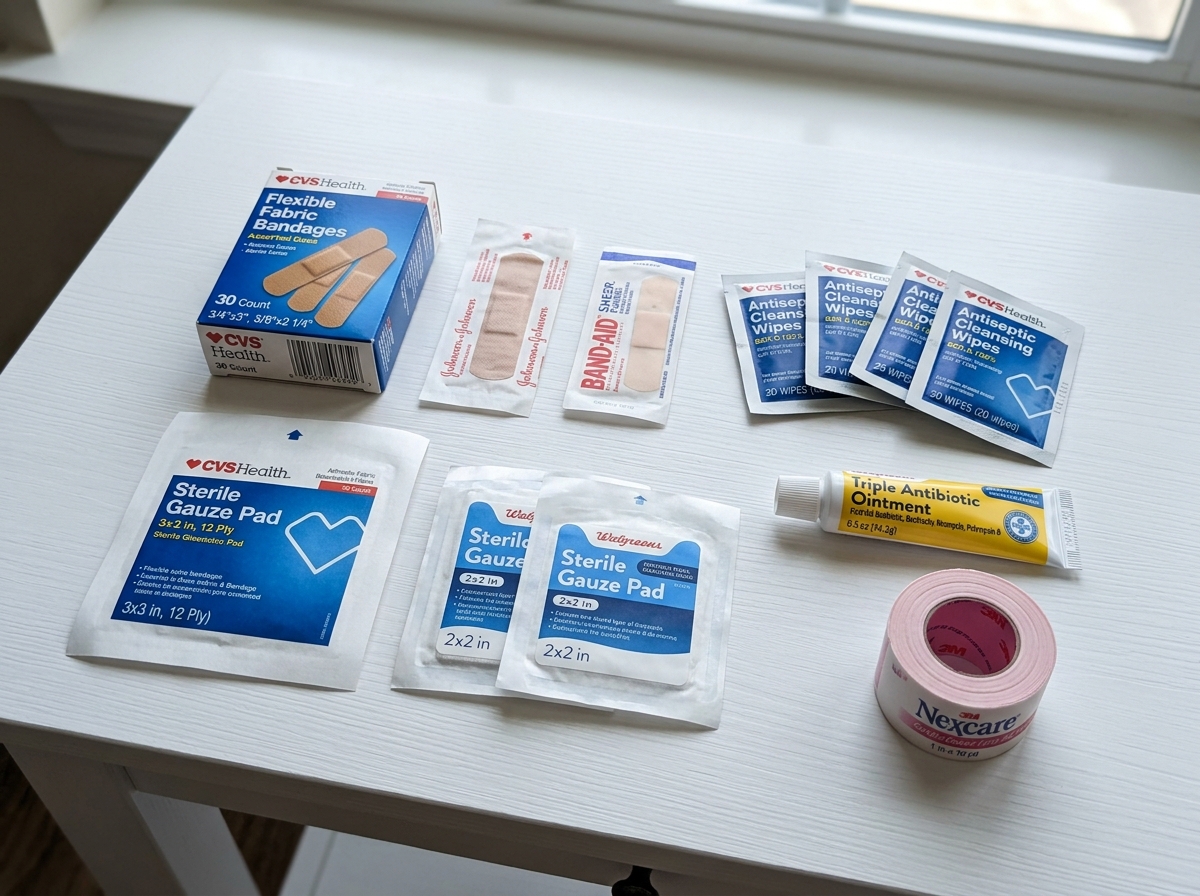
Wound Care Fundamentals
Cuts and scrapes are the most common travel injuries. To prevent a minor scratch from becoming a trip-ruining infection, your kit needs:
- Adhesive Bandages: Pack a variety of sizes (small, medium, and large).
- Sterile Gauze Pads: These are the “medical jack-of-all-trades,” useful for soaking up blood or cleaning larger wounds.
- Medical Tape: Essential for securing gauze or reinforcing a bandage.
- Antiseptic Wipes or Spray: Use these to clean dirt and germs from a wound before dressing it.
- Antibiotic Ointment: A thin layer of something like Neosporin helps wounds heal faster and stay moist under the bandage.
The Travel Pharmacy
The Travel First Aid Kit Essentials | Red Cross guide emphasizes that having the right over-the-counter (OTC) meds can save your vacation.
- Pain and Fever Relievers: Acetaminophen or ibuprofen are must-haves for headaches, muscle aches, or a sudden fever.
- Antihistamines: Essential for allergic reactions to new foods, plants, or insect bites.
- Digestive Relief: Pack antacids for heartburn, a mild laxative for “traveler’s constipation,” and anti-diarrheal medication (like loperamide).
- Motion Sickness Medicine: Even if you don’t usually get sick, a bumpy ferry ride or a winding mountain bus can change that quickly.
Specialized Supplies for Every Destination
Your travel first aid kit checklist should change based on where you are going. A weekend in Paris requires different gear than a week in the Peruvian Andes.
Sun and Bug Protection
If you are heading to a warmer climate or the great outdoors, prevention is your best friend.
- Sunscreen: Look for broad-spectrum protection with an SPF of 30 or higher.
- Insect Repellent: For adults, the CDC recommends 30% to 50% DEET or up to 20% picaridin. For children, keep DEET concentrations between 10% and 30%. Remember: do not use DEET on infants under two months old, and never combine it with sunscreen in a single product.
- Aloe Vera Gel: Because even with the best intentions, someone usually misses a spot with the sunscreen.
Remote and High-Altitude Needs
For those off-the-beaten-path adventures, we recommend checking out our guide to stay safe with budget travel safety gear to find durable options that won’t break the bank.
- Water Purification: If you aren’t 100% sure about the local tap water, pack purification tablets or a portable filter.
- Oral Rehydration Salts: These are literal lifesavers if you suffer from severe diarrhea or heat exhaustion, as they replace lost electrolytes much faster than plain water.
- Emergency Blanket: A lightweight Mylar blanket can prevent hypothermia if you get stranded or lost.
- Altitude Sickness Medication: If you’re heading to high elevations, talk to your doctor about acetazolamide (Diamox).
The Travel Health Kits | Yellow Book | CDC suggests that the further you are from modern medical facilities, the more comprehensive your kit should be.
Navigating Air Travel and TSA Regulations
Packing your kit for a flight requires a bit of strategy. You don’t want your expensive medical supplies ending up in a TSA bin because of a technicality.
The Carry-On vs. Checked Bag Dilemma
Always keep your essential, life-saving medications in your carry-on bag. Luggage gets lost; your health shouldn’t be at the mercy of a misplaced suitcase. However, certain tools have specific rules:
- Scissors: TSA generally permits scissors if the blades are less than 4 inches from the pivot point. We recommend rounded tips to be extra safe.
- Tweezers: These are allowed in carry-on bags and are essential for removing splinters, bee stingers, or ticks.
- Liquids: Hand sanitizers, antiseptic sprays, and creams must follow the 3-1-1 rule (3.4 oz or less per container) unless they are considered “medically necessary” liquids, which you should declare to the officer.
Documentation for Security and Customs
If you are carrying prescription opioids, needles, or syringes (for conditions like diabetes), have a doctor’s note explaining why you need them. It is also vital to keep all medications in their original labeled containers. This prevents confusion at customs and ensures you know exactly what the dosage is.
| Feature | Basic Personal Kit | Remote Expedition Kit |
|---|---|---|
| Primary Goal | Minor cuts, headaches, indigestion | Trauma, infection, environmental illness |
| Wound Care | Band-Aids, small gauze | Hemostatic gauze, tourniquet, splints |
| Medications | OTC pain/allergy meds | Prescription antibiotics, IV fluids |
| Tools | Tweezers, thermometer | Scalpel, sutures, pulse oximeter |
| Water | Bottled water access | Purification tablets & filters |
Customizing Your Travel First Aid Kit Checklist for Families
Traveling with kids is an adventure, but it means your travel first aid kit checklist needs a “junior” section.
Pediatric Essentials for Your Travel First Aid Kit Checklist
Kids aren’t just small adults; they need specific formulations.
- Kid-Friendly Bandages: Never underestimate the healing power of a bandage with a cartoon character on it. It can stop the “fear” even if the “pain” is still there.
- Liquid Fever Reducers: Pack the specific brand and flavor your child will actually swallow.
- Digital Thermometer: Essential for monitoring fevers. Remember to clean it with an antibacterial wipe after every use.
- Pediatric Antihistamines: For unexpected reactions to new environments.
- Stickers or Small Toys: These act as “distraction therapy” while you’re cleaning a scrape or administering medicine.
Documenting Your Health for International Trips
Before you leave, ensure you have a “paper trail” for your health.
- Immunization Records: Especially important if traveling to regions where yellow fever or malaria are concerns.
- Medical Alert Bracelets: If anyone in your family has a severe allergy or chronic condition (like diabetes), a bracelet is a silent communicator if they can’t speak for themselves.
- STEP Enrollment: Enroll in the Smart Traveler Enrollment Program (STEP). It’s a free service that allows the U.S. Department of State to assist you in an emergency.
- Digital Backups: Take photos of all your prescriptions, insurance cards, and your passport. Store them in a secure cloud folder or an encrypted app on your phone.
Maintenance and Safety Best Practices
A first aid kit is only useful if the items inside actually work. We’ve all reached for a bandage only to find the adhesive has dried out, or found a bottle of aspirin that expired during the previous administration.
The Pre-Trip Audit
Check your kit before every trip.
- Expiration Dates: Toss any expired medications. They can lose potency or, in some cases, become harmful.
- Restocking: If you used all the antiseptic wipes on your last camping trip, replace them now.
- Waterproofing: Use a waterproof, zippered pouch (ideally a bright color like red or orange) so you can find it quickly in a dark suitcase or backpack.
Safety First
The Traveler’s First-Aid Kit | Johns Hopkins Medicine experts remind us that hygiene is the first step of first aid. Always use hand sanitizer with at least 60% alcohol before touching an open wound. If possible, wear disposable gloves to prevent the spread of infection.
Finally, if you are traveling with children, make sure the kit is child-proofed. Just because it’s a “safety” kit doesn’t mean the medications inside are safe for a curious toddler to ingest. Keep it locked or stored out of their reach.
Frequently Asked Questions about Travel Medical Kits
Can I bring scissors and tweezers in my carry-on?
Yes, but with caveats. Tweezers are perfectly fine. Scissors must be small (less than 4 inches from the pivot point). If you are worried about a strict security agent, pack the scissors in your checked luggage and keep the tweezers and bandages in your carry-on.
Should I keep medications in their original bottles?
Absolutely. While those weekly pill organizers are great for home use, they are a nightmare for international customs. Keeping meds in their original packaging with the prescription label proves the medicine belongs to you and allows officials to identify the substance quickly. It also ensures you have the generic name available if you need to find a replacement at a local pharmacy.
When should I see a doctor before packing my kit?
We recommend scheduling a “travel clinic” visit at least 4–6 weeks before an international trip. This gives you time for:
- Vaccinations: Some require multiple doses over several weeks.
- Prescription Refills: Ensure you have enough medication for the whole trip, plus a 1-week “buffer” in case of travel delays.
- Specialized Meds: Your doctor can provide “standby” antibiotics for traveler’s diarrhea or prescriptions for malaria prevention if your destination requires them.
Conclusion
At FinanceZora, we believe that the best travel gear isn’t necessarily the most expensive—it’s the gear that actually works when you need it. By following this travel first aid kit checklist, you are investing in your own peace of mind. You aren’t just packing bandages; you’re packing the ability to handle a mishap and get back to enjoying your adventure.
Whether you’re building a DIY kit from items in your medicine cabinet or looking for pre-assembled options, staying prepared is the ultimate budget-friendly move. After all, a $5 box of bandages is much cheaper than an emergency room visit in a foreign country!
Explore more essential travel gear to ensure your next trip is as safe as it is memorable.
