Succulents in Pots Without Drainage Holes: Risks and Workarounds
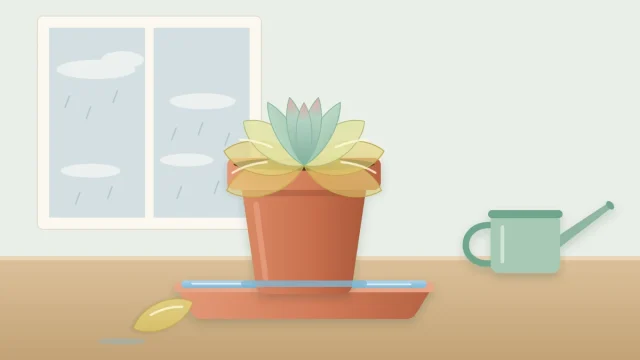
Why a drainage hole matters for succulents, why a gravel layer does not replace one, and three ways to use a container with no hole, ranked from lowest to highest risk.
Simple Guides for Growing Healthy Succulents
30 guides published
Why a drainage hole matters for succulents, why a gravel layer does not replace one, and three ways to use a container with no hole, ranked from lowest to highest risk.
What root rot is, why the signs above the soil are not proof, how to confirm it at the roots and stem base, and the steps growers commonly try, with honest limits.
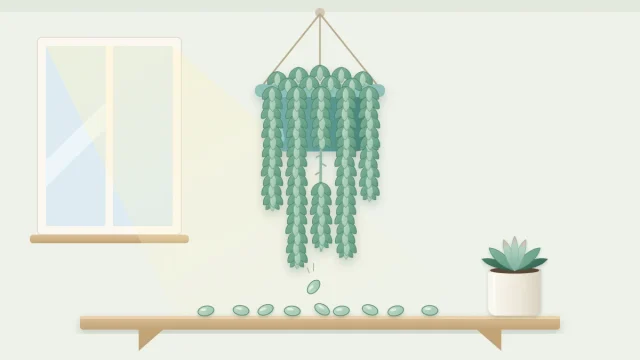
Sort succulent leaf drop by what the fallen leaves look like, whether mushy, dry or perfectly healthy, then use soil, stem and root checks to find the likely cause.
Yellow succulent leaves can come from excess water, low light, normal aging, sudden sun, tired soil, pests or root trouble. Here is what goes with each and how to check.
A symptom table and a six-step assessment routine for working out what could be wrong with a succulent, from yellow leaves and leaf drop to stretching, dark stems and white fluff.
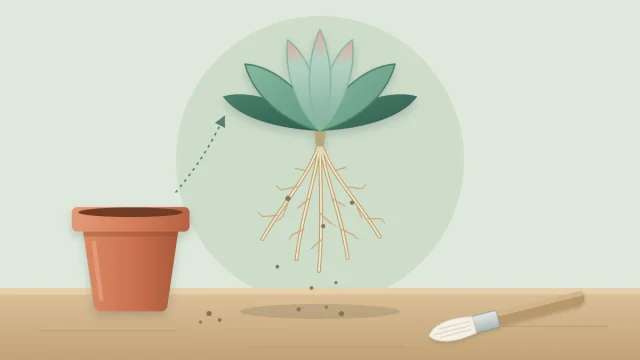
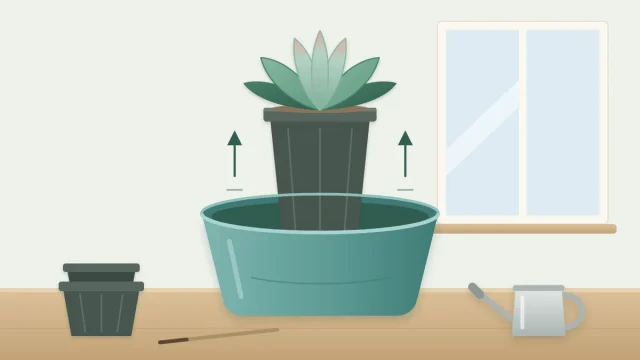
When it makes sense to look at a succulent's roots, how to slide the plant out without damage, and how to read what you find, from firm pale roots to dark soft ones.
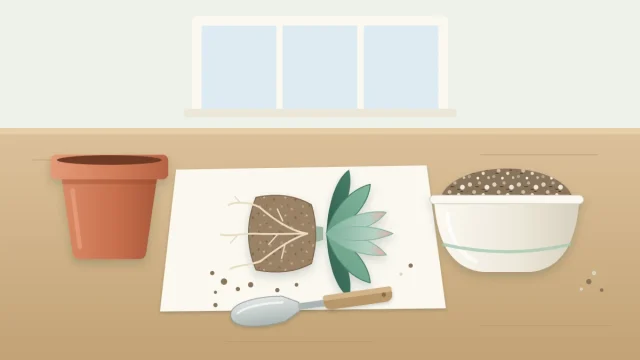
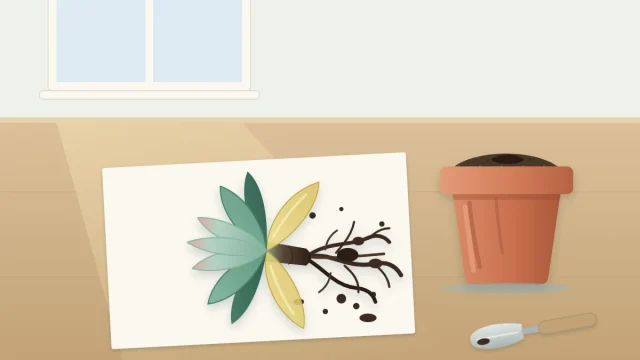
When a succulent needs a new pot, when to wait, and how to move it without harming the roots: dry soil first, fresh gritty mix, the same planting depth, and a pause before the first watering.
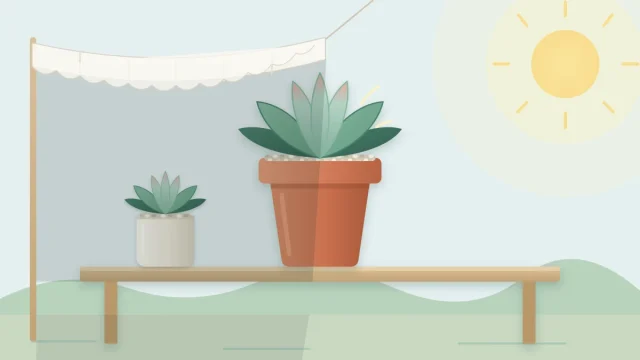
A step-by-step way to move succulents into a sunnier window or outdoors for summer: why sudden sun burns, how sunburn differs from healthy color, and a staged plan you can adapt to your plant.
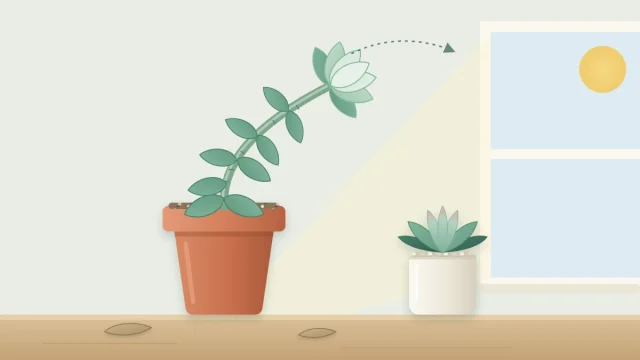
A compact rosette that turns tall, leaning and gappy is usually reaching for light. Find out what etiolation is, how to spot it early, and the realistic options for a stretched plant.
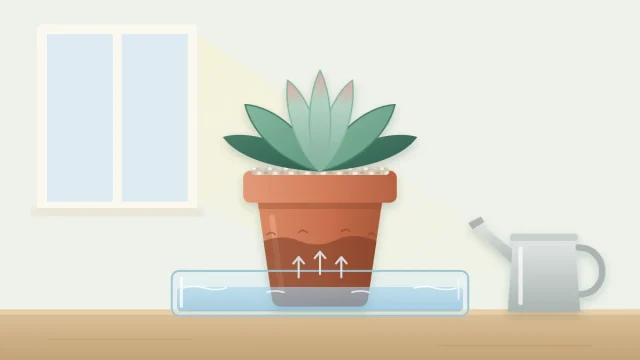
Bottom watering helps with very dry soil, tight rosettes and loose top dressing, but it is not a gentler way to water. See when to use it, the steps, and the limits to keep in mind.
Wrinkled, deflated leaves are commonly associated with thirst, but damaged roots cause the same look. Here is how to check the soil and roots first, then rehydrate a dry plant without overcorrecting.
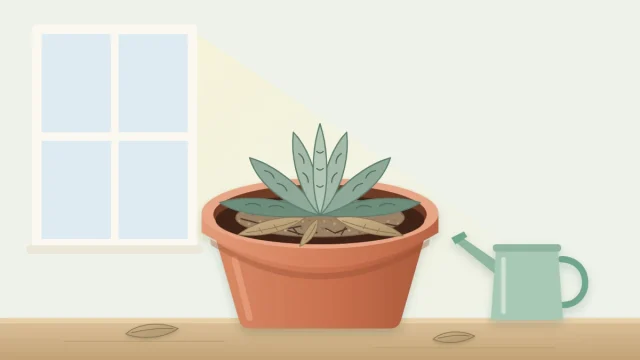
Soft, translucent or dropping leaves are commonly associated with too much water, but no single sign proves it. Learn how to check the soil and roots, why soil stays wet, and what to do next.